Let’s talk about the cool mix of culture and traditions in Singapore.
The people who live in this small city-state come from many different places and have many different customs, beliefs, and ways of doing things.
You’ll find that the blend of Chinese, Malay, Indian, and Western influences gives Singapore its distinct character and charm.
In addition to enhancing our experience as tourists or residents, a deeper appreciation of Singapore culture promotes respect, harmony, and unity among us all.
So, let’s discover what makes Singapore so special.
History of Singapore
To truly appreciate the richness of Singapore’s culture, we need to start with its history. Different groups played their part in shaping this city-state from the early days of the Malay kingdom to the arrival of the British in the 19th century.
The colonial period saw Singapore transform into a bustling trade hub, and with that came even more cultural diversity. Fast forward to the post-independence era. We can see how Singapore’s leaders worked hard to forge a unique national identity that embraces its multi-ethnic roots while looking towards a bright future.
Language and Communication
Official Languages of Singapore
English: The primary language of administration, education, and business, English serves as a bridge between different ethnic groups in Singapore. You’ll find that most Singaporeans are fluent in English, making it easy for tourists to communicate.
Malay: Recognized as another national language of Singapore, Malay holds a special place in the country’s cultural identity. Although it may not be as widely spoken as English, you’ll still hear Malay used in some social settings, official ceremonies, and traditional events.
Mandarin: As the most widely spoken language among Singapore’s Chinese population, Mandarin is commonly used in everyday conversations and community events. You’ll also find Mandarin signage and announcements in many public places.
Tamil: As the primary language of the Indian community in Singapore, Tamil is spoken mainly among Tamil-speaking Singaporeans. You might come across Tamil in Indian neighbourhoods, cultural events, and public places.
Singlish And Its Role In Society
What is Singlish? A unique, informal Creole language that mixes English, Malay, Mandarin, Tamil, and other local dialects, Singlish is a testament to Singapore’s multiculturalism. It’s often used in casual conversations, among friends, or in relaxed settings.
Singlish expressions:Singlish is full of colourful expressions and phrases that can confuse outsiders. Some examples include “lah,” “lor,” and “meh,” which are used to emphasize statements or express emotions.
Learning a few Singlish phrases can help you better connect with locals and understand their conversations.
When to use Singlish: While Singlish is an essential part of Singaporean culture, it’s important to know when it’s appropriate. In formal settings, such as business meetings or government offices, it’s best to stick to Standard English. However, using Singlish in casual settings can help you build rapport with Singaporeans.
Language Etiquette and Customs
Showing respect: When speaking with someone older or of a higher social status, it’s polite to address them with a title like “Mr.,” “Mrs.,” or “Ms.” followed by their last name. When addressing older individuals, you can use “Uncle” or “Aunty” in more informal settings.
Greetings: Depending on the cultural background of the person you’re speaking with, greetings may vary. For example, a traditional Chinese greeting may involve a slight bow with palms together, while a Malay person might greet you with a “salam” and a gentle handshake. Pay attention to the person’s body language and follow their lead when greeting them.
Listening and speaking: Singaporeans appreciate good listeners, so show interest and pay attention when someone is speaking to you. Try to be clear and concise when speaking, as this is often valued in Singaporean culture. Avoid interrupting, raising your voice, or using overly emotional language, as this can be perceived as disrespectful.
Non-verbal communication: Be aware of the non-verbal cues you’re sending, such as maintaining eye contact and avoiding aggressive gestures. In Singapore, pointing with your index finger is rude, so use your whole hand instead. Similarly, avoid touching someone’s head or passing things over their head, as this can be disrespectful.
Singapore’s Religious Landscape
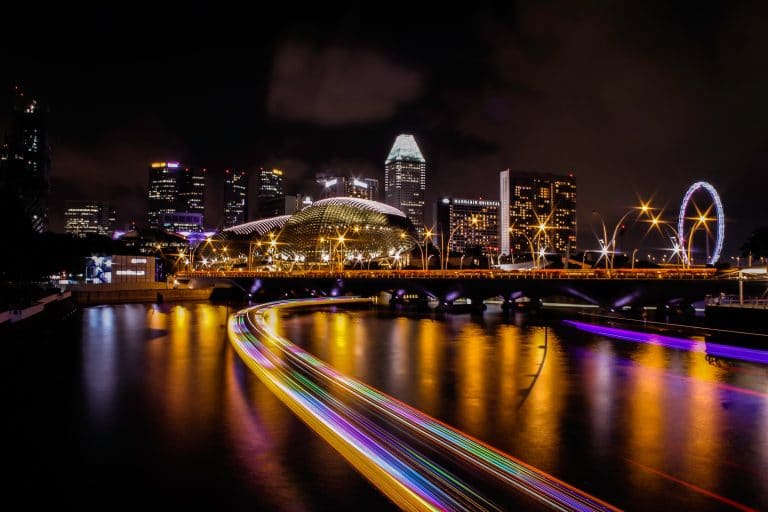
Major Religions in Singapore
Buddhism: As Singapore’s most widely practised religion, Buddhism significantly influences the country’s culture. Originating from China, many Singaporean Buddhists follow Mahayana Buddhism, though Theravada and Vajrayana Buddhism can also be found.
Christianity: Singapore has a diverse Christian population, including Protestants, Catholics, and other denominations. Christianity was introduced during the colonial period, and its followers can be found across various ethnic groups.
Islam: With most of Singapore’s Malay population practising Islam, this religion is essential to the country’s culture. Many Muslims in Singapore adhere to Sunni Islam and observe its teachings daily.
Hinduism: Practiced mainly by the Indian community, Hinduism is an important part of Singapore’s religious landscape. You’ll find many beautiful Hindu temples throughout the city-state, showcasing the richness of this ancient religion.
Taoism: With its deep roots in Chinese philosophy and religion, Taoism forms a significant part of Singapore’s religious fabric. Brought by the early Chinese immigrants, Taoism is observed by a significant portion of the Chinese-Singaporean community
Harmony and Tolerance Among Religious Groups
Interfaith dialogue:Singapore promotes interfaith dialogue and understanding among different religious groups. Various initiatives, such as the Inter-Religious Organisation (IRO), work to foster communication and cooperation among faith communities.
Respect for religious practices: Singaporeans generally respect each other’s religious practices and beliefs. This mutual respect is evident daily, from accommodating dietary restrictions to observing quiet hours during religious events.
Religious harmony laws: Singapore has strict laws to prevent religious discrimination or hate speech to maintain peace and harmony. These laws help to ensure that every citizen can practice their religion without fear or prejudice.
Religious Celebrations and Customs
Vesak Day: Celebrated by Buddhists, Vesak Day commemorates the birth, enlightenment, and passing of Gautama Buddha. The occasion is marked by various activities, such as visiting temples, offering prayers, and participating in acts of charity.
Hari Raya Puasa: Observed by Muslims after the holy month of Ramadan, Hari Raya Puasa is a time for family gatherings, feasting, and giving thanks. Beautifully decorated homes, mosques, community events, and bazaars will be seen.
Deepavali: Also known as Diwali, Deepavali is the Hindu festival of lights that signifies the victory of light over darkness. During this time, you can expect to see colourful decorations, traditional performances, and special sweets and snacks being enjoyed by the Hindu community.
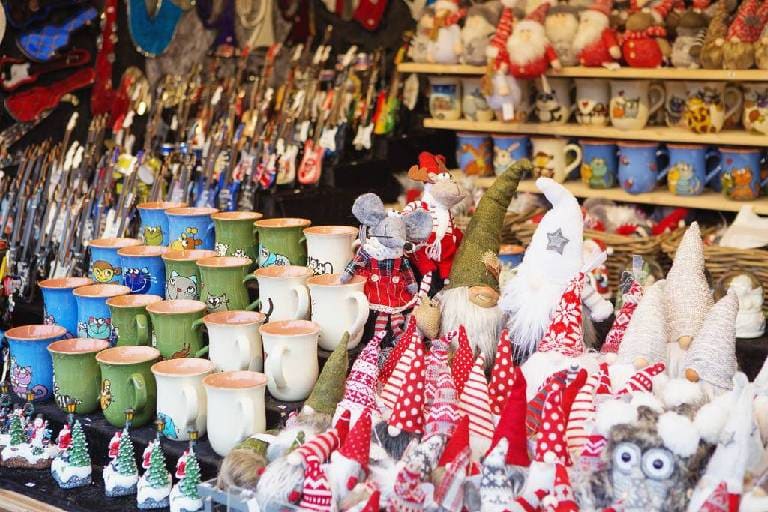
Christmas: Singapore’s Christian community celebrates Christmas with joy and enthusiasm. The streets are adorned with festive lights, and you’ll find Christmas markets, church services, and other events throughout the city.
As well as these major religious celebrations, Singapore is home to numerous other festivals and customs that showcase the diversity of its religious landscape.
By appreciating and respecting these traditions, we can help maintain the harmony and unity that make Singapore a special place.
Singaporean Food: A Delicious Mix of Flavours
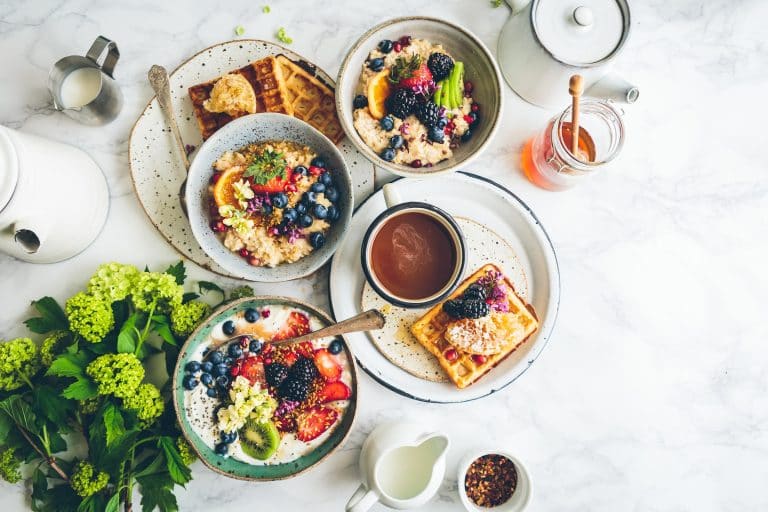
Culinary Influences and Popular Dishes
Chinese influence: With a large Chinese population, it’s no surprise that Chinese cuisine plays a significant role in Singaporean food. Popular dishes include Hainanese chicken rice, bak kut teh (pork rib soup), and char kway teow (stir-fried rice noodles).
Malay influence: Malay cuisine adds a unique touch to Singapore’s food scene with dishes like nasi lemak (coconut rice with various side dishes), satay (grilled meat skewers), and rendang (spicy meat dish).
Indian influence:Indian flavours contribute to the rich variety of Singaporean cuisine with dishes such as roti prata (Indian flatbread), biryani (flavoured rice dish), and fish head curry.
Peranakan influence: The Peranakan, or Straits Chinese, community has a unique culinary heritage that combines Chinese, Malay, and Indonesian elements. Signature dishes include laksa (spicy noodle soup) and kueh (colourful desserts made from rice flour and coconut milk).
Hawker Centres and Food Culture
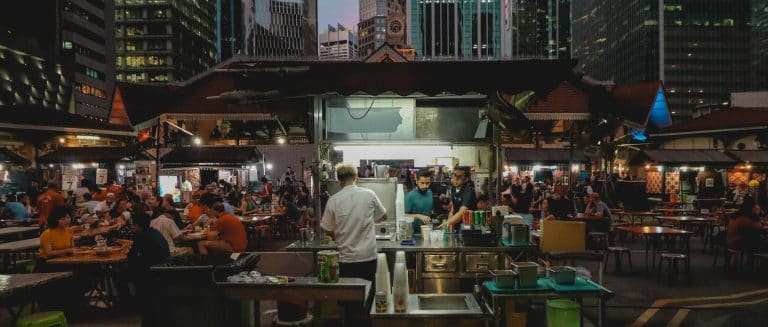
What are hawker centres? These open-air food courts are a defining feature of Singapore’s dining scene. Offering a wide variety of affordable and delicious dishes, hawker centres are a favourite among locals and tourists.
Exploring hawker centres:Visiting different hawker centres allows you to sample various dishes from various cultures. Some famous centres include Maxwell Food Centre, Lau Pa Sat, and Old Airport Road Food Centre.
Hygiene and cleanliness:Hawker centres in Singapore are known for their high standards of hygiene and cleanliness. Stalls are graded by the National Environment Agency so you can enjoy your meal with peace of mind.
Dining Etiquette
Using utensils: In Singapore, using a fork and spoon when eating is common, with the fork used to push food onto the spoon. For dishes like noodles or soup, chopsticks and a Chinese soup spoon may be provided. When eating Indian food, it’s customary to use your right hand.
Sharing dishes: Singaporeans often enjoy their meals in groups, ordering various dishes to share. This allows everyone to sample different flavours and fosters a sense of togetherness. Be sure to use serving spoons when sharing food.
Finishing your meal: Finishing all the food on your plate is polite, as this shows appreciation for the meal. However, don’t feel pressured to overeat; simply take small portions and ask for more if needed.
Handling leftovers: If you can’t finish your food, asking for a takeaway container or “ta pao” in local parlance is acceptable. This practice helps reduce food waste and lets you enjoy your meal later.
The Art of Queuing in Singapore
Order and efficiency: Singapore is known for its love of order and efficiency, and queuing is no exception. Orderly queues help maintain a sense of fairness and prevent chaos in crowded areas, making everyone’s experience more pleasant.
Cultural value: Queuing is not just a practical matter but also a cultural value that reflects Singapore’s emphasis on mutual respect and consideration. By queuing properly, you show respect for others and contribute to the harmony of the community.
Public transport: When waiting for buses or trains, you’ll notice that Singaporeans form neat queues at designated spots. Always join the end of the queue and allow passengers to disembark before boarding.
Food outlets:Whether at hawker centres or fast-food restaurants, you’ll find queues at popular stalls or counters. Be prepared to wait patiently, and avoid cutting in or holding spots for friends who haven’t arrived yet.
Shopping and sales: Long queues can form outside stores during sales or product launches. In these situations, it’s essential to be respectful of others and follow any queue management systems in place, such as ticketing or virtual queues.
Personal space: While queuing, be mindful of others’ personal space and avoid standing too close. This shows respect for their comfort and privacy.
Queue jumping:Cutting in line is a major faux pas in Singapore and can lead to social disapproval orconfrontation. Always join the end of the queue and wait your turn.
Using mobile devices:While waiting in line, it’s common to see people using their phones or other devices to pass the time. Pay attention to the queue’s progress so you don’t hold up others when it’s your turn.
Patience and politeness:Queuing can test anyone’s patience, but it’s essential to remain polite and respectful. Avoid complaining loudly, tapping your feet, or showing other signs of impatience. Everyone is in the same situation, and a little kindness can go a long way.
Cleanliness and Environmental Consciousness
Reputation:Singapore is renowned for its cleanliness, which contributes to its image as a well-organized and efficient city-state. This dedication to cleanliness reflects the government’s efforts to maintain a high quality of life and ensure public health.
Public cleanliness campaigns: Over the years, Singapore has launched various public campaigns to raise awareness about the importance of cleanliness, such as the Keep Singapore Clean movement. These campaigns encourage citizens to take responsibility for their surroundings and contribute to the city’s overall cleanliness.
Anti-littering laws:Singapore enforces strict laws against littering to maintain its reputation for cleanliness. These laws cover various forms of littering, including discarding cigarette butts, spitting, and leaving trash in public spaces.
Fines and penalties:Those caught littering can face hefty fines, with penalties ranging from a few hundred to several thousand dollars, depending on the severity of the offence. Repeat offenders may also be required to perform community service, such as cleaning public areas.
Enforcement: The National Environment Agency (NEA) and other government bodies work together to enforce anti-littering laws, carrying out regular patrols and surveillance to catch offenders and ensure compliance.
Recycling and waste reduction: Singapore has implemented various recycling and waste reduction initiatives, such as mandatory waste disposal fees for businesses, the National Recycling Programme, and public education campaigns on reducing waste and conserving resources.
Green spaces:The city-state is committed to creating and maintaining green spaces, with numerous parks, gardens, and nature reserves. The government’s vision of a “City in a Garden” highlights the importance of preserving nature in an urban environment.
Sustainable practices: Singapore continues to adopt sustainable practices and invest in clean technology, such as solar energy and electric vehicle infrastructure. Public education programs and campaigns encourage citizens to adopt eco-friendly habits, like using reusable bags and conserving water and energy.
Community involvement:Grassroots organizations and community groups are vital in promoting environmental consciousness and sustainable practices. By involving citizens in environmental initiatives, Singapore fosters a sense of shared responsibility and pride in maintaining a clean, green city.
Monetary Practices and Etiquette
Tipping Customs in Singapore
General practice: Tipping is not common and generally not expected in Singapore.
Exceptions: While tipping is not mandatory, you can still tip if you feel the service was exceptional. Some examples include leaving extra dollars for hotel staff, taxi drivers, or tour guides. However, it’s essential to be discreet and not make a show of tipping.
Tipping etiquette: If you decide to tip, do so politely and discreetly. Hand the tip to the person you wish to thank and express your appreciation for their service.
Cashless Payments
Payment options: In Singapore, cashless payment methods have become increasingly popular and are widely accepted. Credit cards, debit cards, and mobile payment apps like PayNow, GrabPay, and NETS are commonly used for transactions.
Public transportation: Cashless payments are encouraged on public transportation, with contactless payment cards like EZ-Link and NETS FlashPay being the preferred method for paying fares on buses and trains.
Retail and dining:Most Singapore retail stores and dining establishments accept cashless payments. Some places may even offer discounts or incentives for customers who choose to pay using these methods.
Financial Fines For Rule-breaking
Monetary penalties: Singapore enforces a range of fines for various offences, from littering to breaking public transportation rules. These fines act as a deterrent and help maintain the city’s cleanliness, safety, and orderliness.
Enforcement: Authorities, such as the National Environment Agency (NEA) and the Land Transport Authority (LTA), enforce these fines. They conduct regular patrols and inspections to ensure compliance with the rules.
Payment methods: Fines can usually be paid online or at designated payment centres using cashless payment options like credit cards or mobile apps. In some cases, fines may be issued on the spot, and payment may be required immediately using cash or a payment card.
Festivals And Celebrations In Singapore
Key Cultural and Religious Festivals
Chinese New Year: Celebrated by the Chinese community, this festival marks the beginning of the lunar new year. Lion and dragon dances, family gatherings, and festive decorations can be seen throughout the city. This is usually celebrated in January or February.
Hari Raya Puasa:This Muslim holiday marks the end of Ramadan, the holy month of fasting. It’s a time for family reunions, feasting, and giving thanks, with colourful decorations and community events across the island. The date will either be in April or May. Hari Raya Haji is also celebrated by the Muslim Community.
Vesak Day: This important Buddhist holiday commemorates the birth, enlightenment, and passing of Gautama Buddha. Buddhists visit temples, offer prayers, and participate in acts of charity on this day.
Deepavali:Also known as Diwali, this Hindu festival of lights symbolizes the victory of light over darkness. The streets of Little India come alive with colourful lights, traditional performances, and festive treats. It is usually held in November.
Christmas: Christians in Singapore celebrate Christmas with joy and enthusiasm. The city is decked out in festive lights, and you’ll find Christmas markets, church services, and other events taking place throughout December.
Public Holidays and Their Significance
Labour Day: Held on May 1st, Labour Day honours the contributions of workers to the country’s development. It’s a public holiday, giving Singaporeans a chance to relax and enjoy a day off.
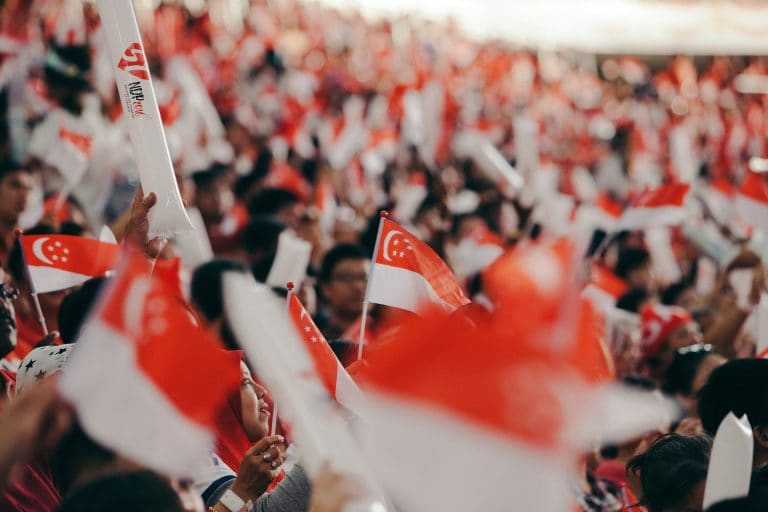
National Day: Celebrated on August 9th, National Day marks Singapore’s independence from Malaysia. The day is commemorated with a spectacular parade, fireworks, and various events celebrating the nation’s achievements.
Unique Singaporean Celebrations
Chingay Parade:This annual street parade showcases the multiculturalism of Singapore. Featuring dazzling floats, vibrant costumes, and lively performances, the Chingay Parade is a celebration of the country’s diverse heritage.
Mid-Autumn Festival: This Chinese festival, known as the Mooncake Festival, is celebrated with lantern displays, mooncakes, and various cultural activities. The event takes place in September or October, depending on the lunar calendar.
Singapore Food Festival: This yearly event celebrates Singapore’s rich culinary heritage with food stalls, cooking demonstrations, and other activities showcasing the best local cuisine. The festival is a treat for food lovers and an opportunity to learn more about the country’s diverse food culture.
Traditional Dance And Music In Singapore
Influences and Origins
Diverse roots: Singapore’s traditional dance and music scene is heavily influenced by the city-state’s diverse population, with elements from Chinese, Malay, Indian, and other cultures.
Historical context: The various cultural groups in Singapore brought their traditional dance and music forms with them when they arrived, and these art forms have evolved while maintaining their distinct identities.
Popular Folk Dances and Music Styles
Chinese Dance:Lion and dragon dances are popular folk dance forms, often performed during Chinese New Year and other special occasions. These dances involve skilled performers manipulating colourful lion or dragon costumes, accompanied by traditional drumming.
Malay Dance: Traditional Malay dance forms include joget, zapin, and dikir barat. Joget is a lively dance with a fast tempo, while zapin is more elegant and performed to the beat of the rebana (drum). Dikir barat is a unique form of choral singing accompanied by rhythmic clapping and percussion.
Indian Dance:Classical Indian dance forms like Bharatanatyam and Kathak are popular in Singapore andoften performed at religious ceremonies and cultural events. These dances involve intricate footwork, expressive hand gestures, and elaborate costumes.
Arts And Crafts In Singapore
Traditional Arts and Crafts
Peranakan beadwork: Intricate beadwork is a distinctive feature of Peranakan culture, with colourful beaded slippers, purses, and decorative items being popular handicrafts.
Batik: Originating from the Malay and Indonesian regions, batik is a textile art that involves wax-resist dyeing on fabric. Singaporean batik often features vibrant colours and intricate patterns inspired by local flora and fauna.
Chinese calligraphy and seal carving: These traditional art forms have a long history in Singapore’s Chinese community. Calligraphy involves using brushes to create elegant characters, while seal carving involves engraving characters or designs onto stone seals.
Contemporary Artists and Their Impact
Local talent: Singapore has a thriving contemporary art scene, with local artists gaining national and international recognition. Their works often incorporate traditional elements or explore themes related to Singapore’s culture, history, and identity.
Art events: Singapore hosts numerous art events, such as the Singapore Art Week, the Affordable Art Fair, and the Singapore Biennale, which showcase the works of local and international artists, fostering creativity and innovation.
Public art: Singapore’s urban landscape is adorned with sculptures, murals, and installations by local artists, reflecting the city’s commitment to promoting art and enhancing public spaces.
Support For Local Artisans and Crafters
Government initiatives: The Singapore government actively supports local artisans and crafters through various programs and grants, such as the National Arts Council’s funding schemes and the People’s Association’s arts and crafts programs.
Art and craft markets: Local artisans and crafters often participate in art and craft markets, such as the MAAD (Market of Artists and Designers), which provides a platform for them to showcase and sell their creations.
Workshops and classes:Many artisans and crafters offer workshops and classes, enabling the public to learn traditional and contemporary crafts and support their work. These classes also help to preserve and promote traditional art forms by introducing them to new generations.
Architectural Wonders of Singapore
Historical and modern architectural styles
Colonial architecture: Singapore’s colonial past is evident in its historical buildings, such as the Raffles Hotel and the Old Parliament House. These structures feature British architectural styles, such as neo-Renaissance, Palladian, and Victorian designs.
Peranakan shophouses:These colourful and ornate buildings, often found in areas like Joo Chiat and Emerald Hill, showcase a blend of Chinese, Malay, and European architectural influences, reflecting Singapore’s multicultural heritage.
Modern architecture: Singapore’s skyline is filled with modern buildings featuring bold designs and innovative engineering. These buildings often incorporate sustainable and eco-friendly features, reflecting the city’s commitment to green living.
Iconic Buildings and Landmarks
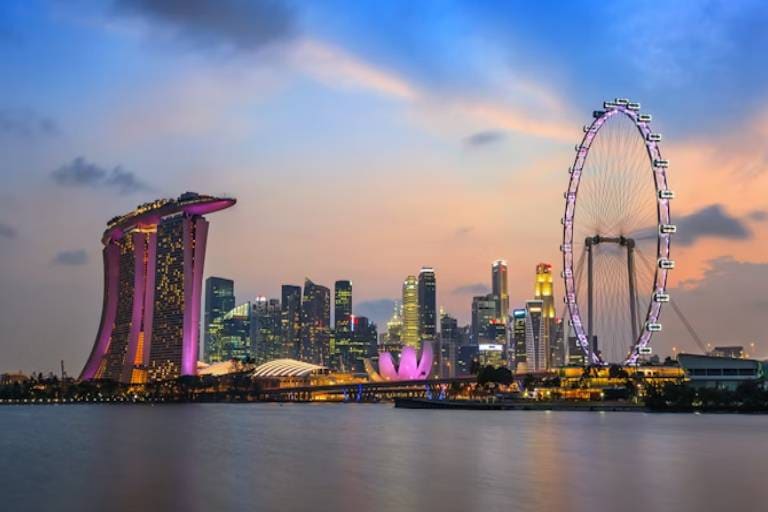
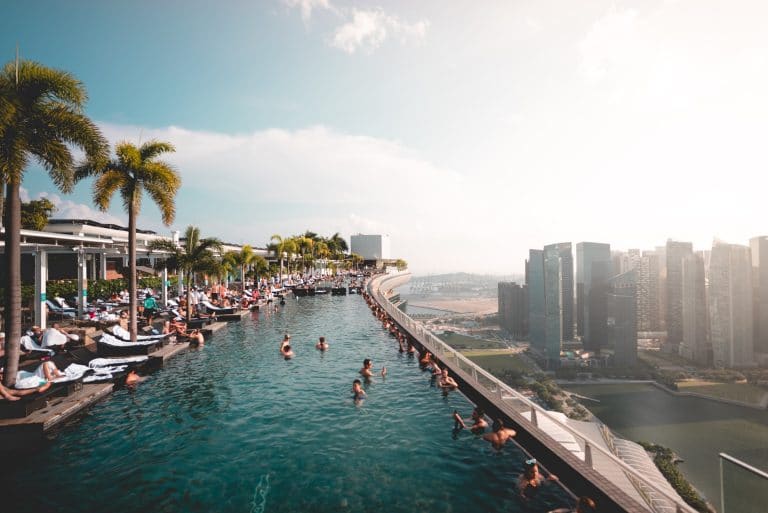
Marina Bay Sands:This world-renowned integrated resort features three hotel towers connected by a SkyPark, which offers panoramic city views. Designed by architect Moshe Safdie, Marina Bay Sands has become an iconic symbol of modern Singapore.
Gardens by the Bay: This futuristic park is home to the Supertree Grove, the Flower Dome and the Cloud Forest. The park showcases innovative and sustainable design, with the Supertrees functioning as vertical gardens and solar energy collectors.
Esplanade – Theatres on the Bay:This performing arts centre, affectionately known as the “Durian” due to its spiky, durian-like design, is a focal point for arts and culture in Singapore. Its distinctive appearance, designed by DP Architects and Michael Wilford & Partners, has made it a landmark along the Marina Bay waterfront.
Final Thoughts On Cultures And Traditions
Singapore is this incredible mix of cultures, traditions, and modern vibes that you can experience in everything from the local lingo to the mouth-watering food and stunning architecture. Wander through colourful neighbourhoods or admire the city’s unique buildings, and you’ll see just how awesome Singapore’s blend of old and new is.
Trust us; it’s a place you won’t forget!
We have left out ticket prices and opening hours we could not date. Check the venue’s own website for current prices and hours before you go. Spotted something out of date? Let us know.